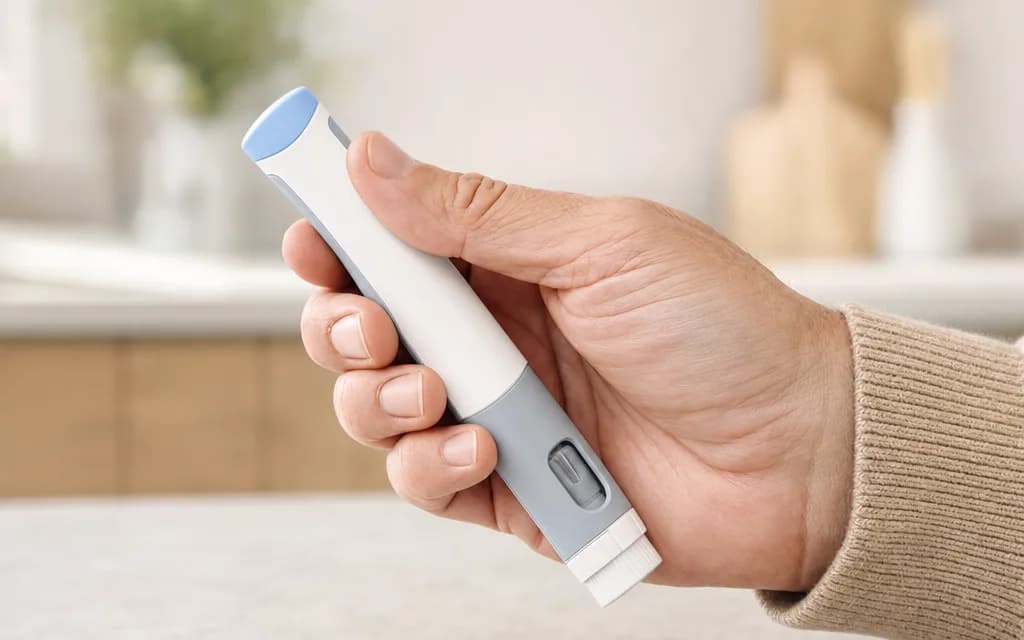
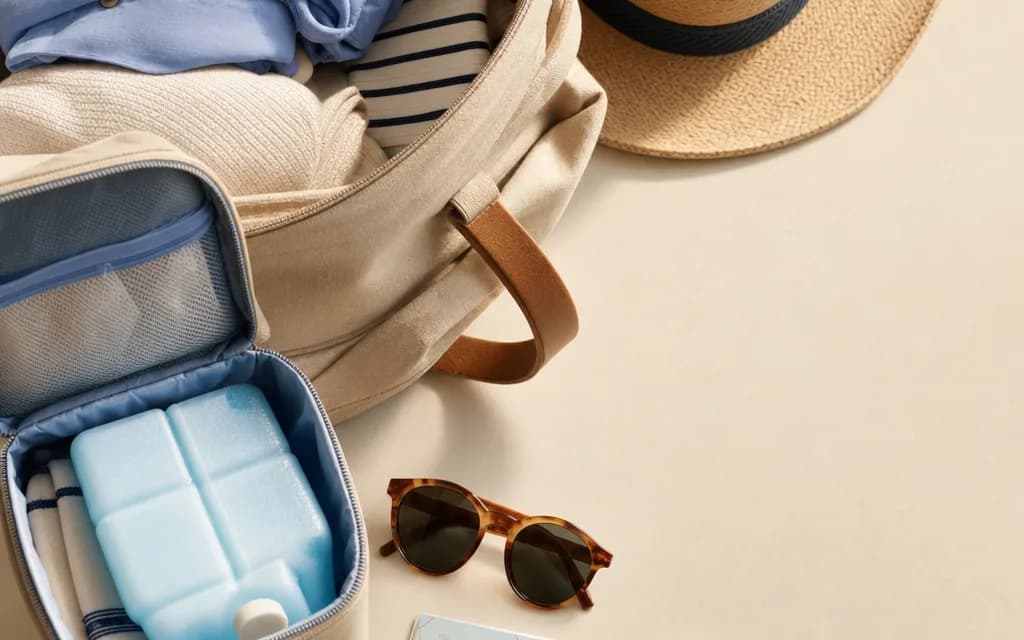
Traveling with insulin opens up a practical question that people with type 2 diabetes face every time they pack a bag: how do you keep insulin viable when you're away from your refrigerator? The answer starts with choosing the right insulin travel case — and understanding a few key rules about temperature, airport security, and backup supplies.
Why Insulin Storage Temperature Matters
Insulin is a protein-based hormone that degrades when exposed to extreme temperatures. According to the American Diabetes Association (ADA), most insulin should be stored between 36°F and 46°F (2°C–8°C) when refrigerated for long-term storage. However, an in-use or opened vial or pen can be kept at room temperature — below 77°F (25°C) — for up to 28 days without refrigeration for most formulations.
The danger zones are the extremes: temperatures above 86°F (30°C) can degrade insulin quickly, and freezing (below 32°F / 0°C) permanently destroys it. This matters enormously when you're in a car parked in the sun, flying in an overhead bin, or hiking in summer heat.
Types of Insulin Travel Cases
Insulated pouches and soft cases
Lightweight insulated pouches are the most portable option. They use foam insulation or similar materials to slow temperature change. Without ice packs, they typically maintain safe temperatures for 4–6 hours — enough for a day trip or short flight. Many fit in a purse or carry-on pocket.
Insulin cooler travel cases with ice packs
These are the go-to option for longer trips. A good insulin cooler travel case combines an insulated shell with reusable gel ice packs that keep contents between 36°F and 46°F for 24–72 hours, depending on the design and ambient temperature. Brands like FRIO, Medicool, and 4AllFamily make cases specifically designed for insulin and diabetes supplies.
Evaporative (water-activated) coolers
The FRIO insulin cooling wallet is a well-known example of this category. It uses crystals that absorb water and release it slowly through evaporation to keep insulin cool without ice. When activated in water for about 5–10 minutes, it stays cool for up to 45 hours even in ambient temperatures up to 100°F (38°C). Ideal for destinations where ice is hard to find.
Electronic cooling cases
USB-powered or battery-operated insulin coolers maintain a set temperature electronically, independent of ambient conditions. They're the most reliable option for very hot climates or extended travel, but they're heavier, more expensive, and require a power source. The Cooluli and FRIO e-cooler are popular choices.
| Type | Cooling duration | Best for | Price range |
|---|---|---|---|
| Insulated soft pouch | 4–6 hours | Short trips, local travel | $10–$30 |
| Insulin cooler with gel packs | 24–72 hours | Most travel scenarios | $25–$70 |
| FRIO evaporative wallet | Up to 45 hours | Hot climates, no ice available | $20–$40 |
| Electronic cooler | Continuous | Extended travel, extreme heat | $80–$200 |
What to Look for in the Best Insulin Travel Case Cooler
Not all coolers are equal. When choosing the best insulin travel case cooler for your needs, consider these factors:
- Capacity: Will it hold your insulin pens or vials, syringes or pen needles, glucagon kit, and blood glucose meter? Check internal dimensions before purchasing.
- Duration: How long do you need temperature protection? A weekend trip needs different coverage than a two-week international journey.
- Ambient temperature: Performance specifications are usually given for specific ambient temperatures — a case rated for 72°F may not perform the same in 95°F heat.
- Weight and size: If you're backpacking or traveling light, an electronic cooler might not be practical. FRIO wallets weigh just a few ounces.
- TSA compliance: Make sure gel ice packs and the case itself meet airline carry-on rules (see below).
Flying With Insulin: TSA and Airport Security Rules
The Transportation Security Administration (TSA) and the ADA both provide clear guidance on flying with insulin. Key rules for US airports:
- Insulin, syringes, pen needles, and diabetes supplies are permitted in carry-on bags without a 3-1-1 liquid limit — you may carry more than 3.4 oz of insulin.
- Notify the TSA officer that you have diabetes and are carrying insulin and related supplies before screening begins.
- Insulin pumps and CGMs may remain on the body and do not need to go through the X-ray machine — ask for a visual inspection instead.
- Ice packs and gel cooling packs used to keep insulin cold are allowed if they are partially frozen or fully frozen at the checkpoint. Fully liquid ice packs may be subject to the standard liquid rules.
- If you have a TSA medical notification card or letter from your doctor, carry it — it can smooth the process considerably.
Road Trips and Car Travel With Insulin
A car parked in summer sun can reach interior temperatures of 120°F–160°F (49°C–71°C) within minutes — far beyond the safe range for insulin. Never leave insulin in a car, even for a short stop. Use an insulated cooler case when driving, and keep it in the air-conditioned passenger area rather than the trunk.
On long road trips, plan your stops. Know where the nearest pharmacies or emergency rooms are along your route in case you need replacement supplies. The CDC recommends having a written sick-day plan from your healthcare provider that includes what to do if insulin is compromised.
International Travel With Insulin
When crossing time zones, blood sugar management and insulin timing can shift. The ADA advises consulting your healthcare provider before long international trips to adjust insulin dosing schedules. Beyond the clinical side, practical considerations include:
- Verify that your insulin brand is available in your destination country — formulations and concentrations may differ internationally (U-100 vs U-200, for example).
- Carry a letter from your doctor on official letterhead listing your diagnosis, medications, and required supplies, translated into the destination language if possible.
- Check whether needles and syringes require a prescription to purchase locally — rules vary widely by country.
- Bring more supplies than you think you'll need; weather delays, itinerary changes, and illness can all increase your insulin use unexpectedly.
I used to dread summer trips. Now I use a FRIO wallet for day trips and a gel-pack cooler for longer travel. I haven't had a single insulin problem in three years of traveling. The key was figuring out my system before leaving home, not at the airport.
Caring for Your Insulin in Hot and Cold Climates
In hot climates, an evaporative FRIO wallet or a gel-pack cooler are your best tools. Reactivate the FRIO wallet in water as needed. In cold climates, the concern flips: keep insulin close to your body to prevent freezing. Inner jacket pockets or a chest pack work well for outdoor activities in freezing temperatures.
At altitude — whether hiking at elevation or flying — the drop in air pressure can affect insulin delivery from pens and pumps slightly. Purge a small amount of air before injecting when changing altitude significantly, and monitor blood sugar more frequently.
Key Takeaways
Traveling with insulin safely comes down to three principles: temperature control (keep insulin between 36°F and 77°F), backup supply (carry at least twice what you expect to need), and preparation (know the TSA rules, your airline's policies, and where to get emergency help at your destination). The right insulin travel case — whether a simple insulated pouch, a gel-pack cooler, or an evaporative wallet — is the cornerstone of that system. Choose based on your trip length, destination climate, and how much you need to carry. Once your system is in place, traveling with type 2 diabetes becomes far less stressful and far more manageable.
Frequently Asked Questions
How long can insulin stay in a travel case without refrigeration?
Most opened insulin vials or pens can safely stay at room temperature (below 77°F / 25°C) for up to 28 days, per the American Diabetes Association (ADA) — no refrigeration needed for short trips. A good gel-pack insulin cooler can maintain refrigerator temperature (36°F–46°F) for 24–72 hours. An evaporative FRIO wallet can keep insulin cool for up to 45 hours without ice.
Can I bring insulin on a plane?
Yes. The TSA allows insulin and all diabetes supplies in carry-on bags with no liquid volume restriction. Notify the TSA officer before screening. Carry insulin in your carry-on — never in checked luggage where temperature is uncontrolled and bags can be lost.
What is the best insulin travel case for hot weather?
For hot climates, an evaporative cooling wallet like the FRIO is excellent — no ice needed, works in temperatures up to 100°F (38°C), and lasts up to 45 hours on one activation. For more supplies or longer duration, a gel-pack insulated cooler rated for hot weather (check the ambient temperature spec) is the better choice.
Does insulin need to be refrigerated when traveling?
Not necessarily for short periods. An in-use insulin pen or vial can stay at room temperature below 77°F for up to 28 days (ADA guideline). For longer trips in hot climates, a cooler case protects potency. Unopened backup insulin should be refrigerated when possible — ask your hotel to store it in a mini-fridge.
How do I know if my insulin has been heat-damaged?
Check for visual changes: clear insulin (rapid-acting, long-acting) should remain clear and colorless; cloudy or discolored appearance suggests damage. Intermediate-acting insulins that are normally white and milky may look clumpy or stringy if heat-damaged. If in doubt, discard and use a fresh supply. Never inject insulin you suspect has been compromised.