
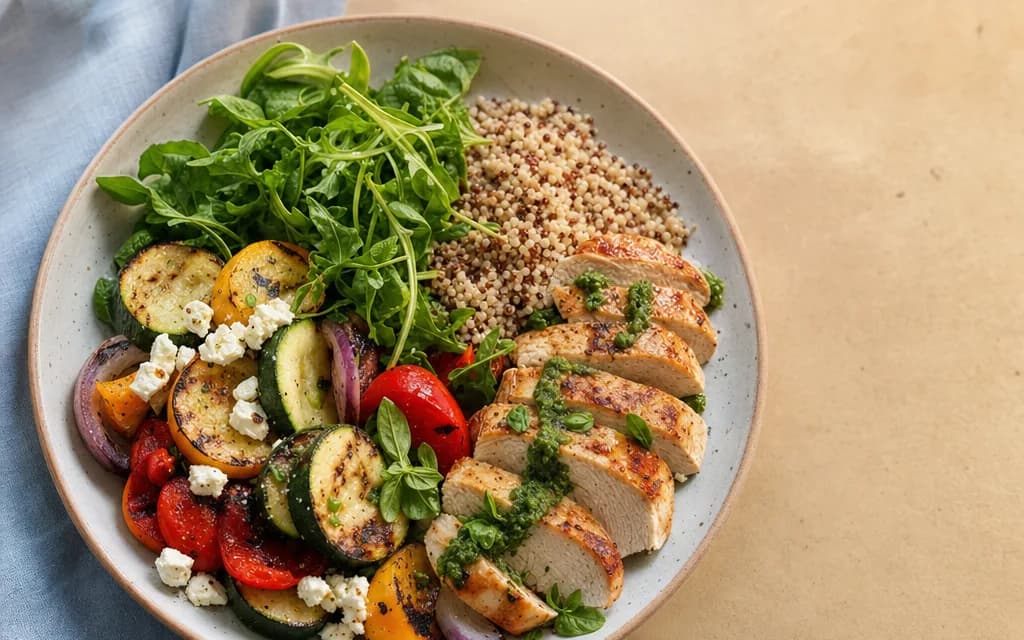
When you're first diagnosed with type 2 diabetes, the question everyone asks is: what can I still eat? The good news is that a diabetes-friendly diet doesn't mean giving up flavor or variety. It means understanding which foods keep your blood sugar steady — and which ones send it climbing.
Why Diet Matters So Much in Type 2 Diabetes
In type 2 diabetes, the body either doesn't produce enough insulin or doesn't use it effectively. Food — especially carbohydrates — directly raises blood glucose. After a meal, normal fasting blood sugar sits between 70 and 99 mg/dL; at the two-hour post-meal mark, it should stay below 140 mg/dL, according to the American Diabetes Association (ADA).
When blood sugar stays too high too often, the risk of long-term complications increases. Diet is one of the most powerful tools for keeping glucose in range — sometimes alongside medication, sometimes without it, depending on how early the condition is caught and how well it's managed.
The Best Foods for Type 2 Diabetes
Non-starchy vegetables
Leafy greens (spinach, kale, arugula), broccoli, cauliflower, peppers, zucchini, and cucumbers are the foundation of a diabetes-friendly plate. They're high in fiber, low in carbs, and rich in vitamins. The CDC recommends filling half your plate with non-starchy vegetables at every meal.
Whole grains and legumes
Not all carbohydrates are equal. Whole grains — oats, brown rice, quinoa, whole wheat bread — have a lower glycemic index (GI) than refined grains because their fiber slows glucose absorption. Legumes (lentils, chickpeas, black beans) are even better: they combine complex carbs, protein, and fiber to produce a very gradual blood sugar rise.
Lean proteins
Protein doesn't raise blood sugar directly and helps with satiety. Good sources include skinless chicken and turkey, fish (especially fatty fish like salmon, rich in omega-3 fatty acids), eggs, tofu, and low-fat dairy. The ADA recommends including a lean protein source at every meal to slow carbohydrate absorption.
Healthy fats
Avocados, olive oil, nuts, and seeds provide unsaturated fats that support heart health — important because people with type 2 diabetes have a higher risk of cardiovascular disease. These fats also slow gastric emptying, which blunts post-meal blood sugar spikes.
Foods to Limit or Avoid
Refined carbohydrates and sugary foods
White bread, white rice, sugary cereals, candy, cakes, and regular sodas cause rapid blood sugar spikes. These foods have a high glycemic index — they convert to glucose quickly in the bloodstream. The CDC recommends limiting added sugars to less than 10% of daily calories, and even less for people with diabetes.
Saturated and trans fats
Red meat (especially processed meats like bacon and sausage), full-fat dairy products, and fried foods are high in saturated fats that can worsen insulin resistance and raise LDL cholesterol. Trans fats — found in some margarines and packaged baked goods — are best avoided entirely.
Alcohol
Alcohol can cause unpredictable blood sugar swings, including dangerously low blood sugar (hypoglycemia), especially if you take insulin or certain oral medications. If you choose to drink, the ADA recommends no more than one drink per day for women and two for men, always with food.
Starchy vegetables in large portions
Potatoes, corn, and peas are nutritious but higher in carbohydrates than non-starchy vegetables. They're not off-limits, but portion size matters: a medium baked potato contains around 35–40 grams of carbs. Choosing sweet potatoes (lower GI) and watching serving sizes helps keep blood sugar stable.
Carb Counting and Glycemic Index: Do You Need to Track?
Carbohydrate counting is one approach recommended by the ADA for managing blood sugar — especially useful for people on insulin, who need to match their dose to their carb intake. A typical diabetes eating plan involves 45–60 grams of carbs per meal, though this varies based on individual needs, body size, and activity level.
The glycemic index (GI) rates foods from 0 to 100 based on how fast they raise blood sugar. Low-GI foods (GI under 55) like oats, lentils, and sweet potatoes cause a slower, more manageable glucose rise. While GI is useful, food quantity still matters: a high-GI food eaten in a very small portion can have a lower impact than a low-GI food eaten in a large amount.
| Food | Glycemic Index | Carbs per serving | Best choice? |
|---|---|---|---|
| Rolled oats (cooked) | ~55 | 27 g / ½ cup | ✓ Good choice |
| Sweet potato (baked) | ~63 | 26 g / medium | ✓ In moderation |
| Brown rice (cooked) | ~50 | 22 g / ½ cup | ✓ Good choice |
| White bread | ~75 | 13 g / slice | ✗ Limit |
| White rice (cooked) | ~72 | 22 g / ½ cup | ✗ Limit |
| Regular soda | ~65 | 39 g / 12 oz | ✗ Avoid |
Meal Timing and Eating Patterns
When you eat can matter as much as what you eat. Spacing meals evenly throughout the day — rather than one large meal at night — helps prevent large glucose fluctuations. Eating breakfast has been linked to better blood sugar control throughout the day in people with type 2 diabetes, according to research cited by the ADA.
Some people with type 2 diabetes try intermittent fasting (time-restricted eating), which some small studies suggest may improve insulin sensitivity. If you're considering this approach, discuss it with your doctor first — particularly if you take medications that could cause hypoglycemia during fasting periods.
The biggest change for me was switching from white rice to brown rice and adding more vegetables to every plate. My A1C dropped from 8.2% to 6.9% in six months. No miracle — just steady changes that stuck.
What About Fruit?
Fruit contains natural sugars, but it also provides fiber, vitamins, and antioxidants. The ADA does not recommend eliminating fruit for people with diabetes. The key is choosing lower-GI fruits in reasonable portions: berries (strawberries, blueberries, raspberries), cherries, apples, and pears have less impact on blood sugar than tropical fruits like mangoes or pineapple eaten in large quantities.
Whole fruit is always preferable to fruit juice, which removes the fiber and concentrates the sugars — a glass of orange juice can contain the sugar equivalent of three to four oranges.
Related reading: gestational diabetes diet covers another important dimension of managing blood sugar that's worth exploring alongside this topic.
Key Takeaways
A type 2 diabetes diet centers on vegetables, lean proteins, healthy fats, and quality complex carbohydrates — while limiting refined carbs, added sugars, and processed foods. The ADA's Diabetes Plate method is a simple, practical way to build balanced meals without calorie counting. Meal timing, portion control, and consistent habits matter as much as individual food choices. Work with a registered dietitian who specializes in diabetes for a plan tailored to your health goals and medication regimen.
Frequently Asked Questions
What is the best diet for type 2 diabetes?
There's no single "best" diet, but the American Diabetes Association (ADA) recommends a pattern rich in non-starchy vegetables, lean proteins, whole grains, and healthy fats while limiting refined carbs and added sugars. Mediterranean, DASH, and low-carb diets have all shown benefits for blood sugar control in people with type 2 diabetes.
Can people with type 2 diabetes eat bread?
Yes, but the type matters. Whole grain or sourdough bread with a lower glycemic index is a better choice than white bread. Pair bread with a protein or healthy fat to slow glucose absorption, and keep portions moderate — typically one or two slices per meal.
How many carbs per day for type 2 diabetes?
The ADA suggests 45–60 grams of carbohydrates per meal as a general starting point, but the right amount varies by individual. Factors include your body size, activity level, medications, and blood sugar targets. A registered dietitian can help calculate your personal carb goals.
Is fruit bad for type 2 diabetes?
No. Whole fruit — especially berries, apples, and cherries — is part of a healthy diabetes diet. Fruit provides fiber that slows sugar absorption. The ADA does not recommend avoiding fruit for people with diabetes. Limit fruit juice, which concentrates natural sugars without the fiber benefit.
Can I eat rice with type 2 diabetes?
Yes, in moderation. Brown rice has a lower glycemic index (~50) than white rice (~72) and contains more fiber. Keep portions to about ½ cup cooked, and pair rice with non-starchy vegetables and lean protein to flatten the blood sugar response.
Diet is often one of the first lines of intervention — both for prediabetes and for type 2 diabetes already underway. If you have recently been told your blood sugar is borderline high, our article on pre-diabetes symptoms explains what to look for and how to act. And if medication has been discussed, our guide on what metformin is used for is a helpful starting point.