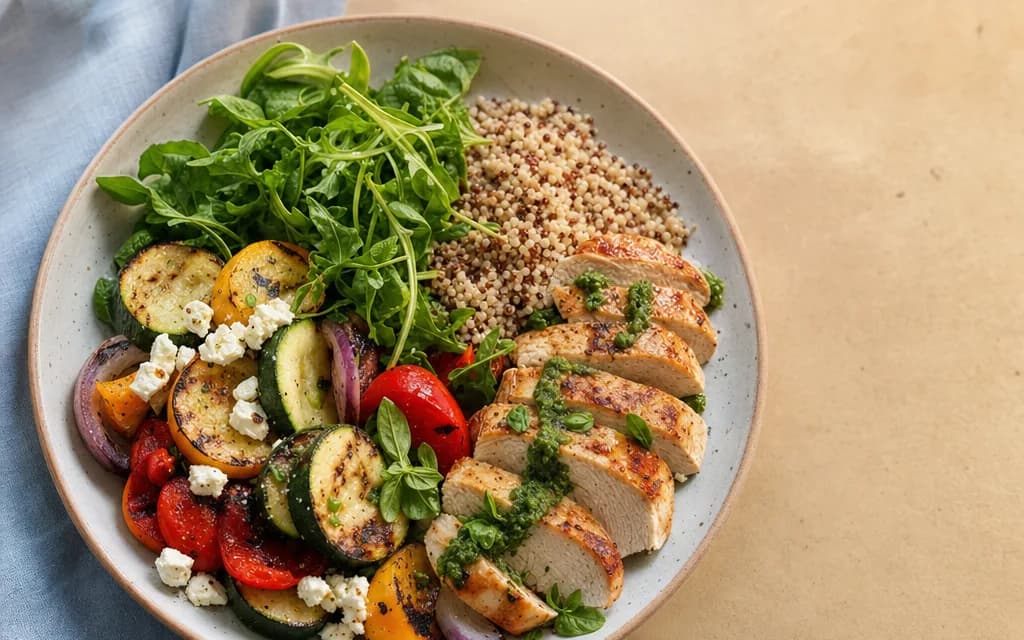

Finding out you have gestational diabetes can feel overwhelming, especially when it comes to figuring out what to eat. The reassuring part: for most women, the right diet makes a dramatic difference — often enough to keep blood sugar within a healthy range without medication.
Why Diet Is Central to Managing Gestational Diabetes
Gestational diabetes develops when pregnancy hormones reduce the body's sensitivity to insulin, making it harder to keep blood glucose in check. Unlike type 2 diabetes, it typically resolves after delivery — but during pregnancy, elevated blood sugar can affect both mother and baby, increasing the risk of a large baby (macrosomia), preterm birth, and the need for a C-section.
Dietary adjustment is the first-line treatment recommended by the American Diabetes Association (ADA) and the CDC. In many cases, changing what and how you eat is all it takes to keep glucose in a healthy range throughout the rest of the pregnancy.
Blood Sugar Targets During Pregnancy
The ADA recommends the following glucose targets for women managing gestational diabetes with diet and lifestyle:
- Fasting (before breakfast): below 95 mg/dL
- One hour after the start of a meal: below 140 mg/dL
- Two hours after the start of a meal: below 120 mg/dL
These thresholds are tighter than standard diabetes targets because stable blood sugar during pregnancy directly protects fetal development. Checking your levels at the times your care team recommends is the only reliable way to know whether your meal choices are working.
What to Eat — and What to Limit
With gestational diabetes, no food is entirely off the table. What matters most is the type, portion, and combination of carbohydrates at each meal or snack.
Carbohydrates: quality and portion size matter most
Carbohydrates have the biggest direct effect on blood sugar. The goal isn't to eliminate them — your baby needs a steady supply of energy — but to choose slowly digested carbs and spread them across the day.
Favor: whole grain bread, oats (not instant), brown rice, quinoa, legumes (lentils, chickpeas, black beans), sweet potatoes, and most non-starchy vegetables.
Limit: white bread, white rice, regular pasta, fruit juice, sweetened yogurt, candy, pastries, and sugary drinks of any kind — including sports drinks and smoothies not made at home.
A common starting point recommended by registered dietitians: 30–45 grams of carbohydrates per meal, and 15–30 grams per snack — but your care team will calibrate this based on your readings and weight.
Protein: a steady anchor at every meal
Protein has almost no direct effect on blood sugar, helps you feel full longer, and supports fetal growth. Aim for a source of protein at every meal and snack. Good options include eggs, fish (especially salmon for its omega-3s), poultry, legumes, Greek yogurt, cottage cheese, and tofu.
Healthy fats: don't be afraid of them
Fats don't raise blood sugar on their own. Avocado, nuts, seeds, olive oil, and fatty fish are nutrient-dense options that add satiety without spiking glucose. Focus on unsaturated fats rather than saturated ones (butter, full-fat red meat, processed meats).
Breakfast: the Trickiest Meal
Morning is when insulin resistance tends to peak, making blood sugar harder to control right after waking up. Many women with gestational diabetes find that breakfast is the meal where it's easiest to overshoot — even a bowl of "healthy" granola can push glucose above target.
Lower-carb breakfast options that often work well:
- Two scrambled eggs with spinach and one slice of whole grain toast
- Plain Greek yogurt with a small handful of berries and a tablespoon of chia seeds
- Cottage cheese with cucumber slices and a hard-boiled egg
- Steel-cut oatmeal in a small portion — but test your blood sugar 1 hour after to see how your body responds
A Sample Day of Eating
This illustrates the principles — not a prescription. Your actual needs may differ based on your weight, activity level, and how your body responds to specific foods.
Breakfast: 2 scrambled eggs, 1 slice whole wheat toast, half an avocado, black coffee or herbal tea.
Morning snack: Small apple with 1 tablespoon almond butter.
Lunch: Grilled chicken salad with mixed greens, cherry tomatoes, cucumber, olive oil and lemon dressing, half a cup of chickpeas.
Afternoon snack: A few whole-grain crackers with hummus, or a small handful of mixed nuts.
Dinner: Baked salmon, half a cup of brown rice, roasted broccoli and zucchini with olive oil.
Evening snack (if hungry): Plain Greek yogurt or a small piece of cheese.
This structure — three moderate meals and two to three snacks, spaced about 2–3 hours apart — keeps blood sugar stable by avoiding long fasting gaps and large carbohydrate loads at once. For more on the foundations of a diabetes-friendly plate, the type 2 diabetes diet guide covers overlapping principles in more depth.
What About Fruit?
Fruit contains natural sugars that can raise blood sugar, especially in large amounts or as juice. That doesn't mean it's off-limits. Berries (strawberries, blueberries, raspberries) tend to have a lower glycemic impact than tropical fruits. A small apple or a medium kiwi paired with protein is usually well tolerated.
The key is portion and context: half a cup of mixed berries as part of a balanced snack is very different from a large bowl of mango on its own. Check your readings afterward to find what works for you.
Exercise: the Natural Partner to Diet
A 10–15 minute walk after meals can lower post-meal blood sugar significantly. The CDC recommends that pregnant women with gestational diabetes aim for 30 minutes of moderate activity most days — with their care team's approval. A gentle stroll around the block after lunch and dinner makes a measurable difference and requires no equipment.
If you're also tracking symptoms related to gestational diabetes, reviewing what signs to watch for during pregnancy helps you stay informed between appointments.
Key Takeaways
A gestational diabetes diet centers on choosing carbohydrates carefully — whole grains, legumes, and vegetables over processed and sugary options — pairing them with protein or healthy fat at every meal, and spreading food intake across 3 meals and 2–3 snacks. Breakfast deserves extra attention since morning insulin resistance is typically at its highest. Checking blood sugar at the times your care team recommends is the feedback loop that tells you whether your choices are working. For most women, these adjustments are enough to keep glucose within a healthy range throughout pregnancy.
Frequently Asked Questions
What should I eat for breakfast with gestational diabetes?
Keep breakfast lower in carbohydrates — around 15–30 grams — and always include protein. Scrambled eggs with whole grain toast, plain Greek yogurt with berries, or cottage cheese with vegetables are common options that work well for many women.
Can I eat fruit with gestational diabetes?
Yes, in moderate portions. Berries tend to have the lowest glycemic impact. Eat fruit as part of a snack paired with protein, and check your blood sugar afterward to see how your body responds to specific fruits.
How many carbs should I eat per day with gestational diabetes?
Most guidelines suggest 175–210 grams per day for pregnant women, distributed across meals and snacks — but individual needs vary. A registered dietitian or certified diabetes care and education specialist will set a specific target based on your readings and weight.
Is rice OK to eat with gestational diabetes?
Brown rice in small portions is generally better tolerated than white rice, which has a higher glycemic index. Limiting portions to about half a cup cooked and pairing it with protein and vegetables helps slow the glucose rise.
How does gestational diabetes differ from type 2 diabetes in terms of diet?
The dietary principles are similar, but carbohydrate targets may differ during pregnancy because the body's nutritional needs change. Women with gestational diabetes also need enough calories for fetal development — extreme restriction is not appropriate.
Will I need insulin if I follow the diet?
Not necessarily. About 70–85% of women manage gestational diabetes with diet and lifestyle alone, per the ADA. If blood sugar stays above target despite dietary changes, insulin or oral medication may be needed — and that reflects how your body is responding, not a personal failure.