
Having type 2 diabetes and becoming pregnant raises a set of questions that are very different from those faced by women who develop gestational diabetes during pregnancy. Type 2 diabetes was already present before conception — and that changes the approach to prenatal care, blood sugar management, and medication entirely.
Type 2 Diabetes vs Gestational Diabetes: An Important Distinction
Gestational diabetes develops during pregnancy in women who did not have diabetes before. It typically resolves after delivery. Type 2 diabetes (also called pre-existing or pregestational diabetes) is a chronic condition that was present before pregnancy and will continue after.
This distinction matters for two reasons. First, the blood sugar targets and risks differ — pre-existing diabetes involves longer exposure to elevated glucose, including during early fetal development. Second, medications commonly used in type 2 diabetes may need to be switched or stopped during pregnancy. Planning ahead, ideally before conception, makes this transition much safer.
Can Women with Type 2 Diabetes Get Pregnant?
Yes — and many do, with successful pregnancies and healthy babies. Having type 2 diabetes does not make pregnancy impossible. What it means is that the pregnancy requires closer monitoring, a coordinated care team, and careful blood sugar management from the first weeks onward.
Fertility can be affected if blood sugar is poorly controlled for a prolonged period, but with appropriate management, most women with well-controlled type 2 diabetes have no unusual difficulty conceiving. If you are trying to get pregnant and have type 2 diabetes, talking to your doctor before conception gives you the best possible foundation.
Risks Associated with Type 2 Diabetes During Pregnancy
Pre-existing type 2 diabetes is associated with a higher risk of complications compared with gestational diabetes, largely because the mother has had elevated blood sugar for a longer period — including during the critical early weeks of fetal development.
Risks for the baby
- Congenital anomalies: The risk of neural tube defects and heart defects is higher when A1C is elevated during the first trimester. This is the main reason the ADA recommends an A1C below 6.5% before conception.
- Macrosomia (large baby): High blood glucose crosses the placenta, causing the baby to produce extra insulin and grow larger than normal — increasing the risk of delivery complications.
- Preterm birth: More common in pregnancies affected by pre-existing diabetes.
- Stillbirth: Risk is elevated, particularly with poor glucose control in the third trimester.
Risks for the mother
Pregnancy in the context of type 2 diabetes increases the risk of pre-eclampsia (a serious blood pressure condition), worsening of diabetic retinopathy, urinary tract infections, and a higher rate of cesarean deliveries. Knowing about these risks before conception allows you and your care team to monitor proactively.
These risks are substantially reduced with tight blood sugar control, regular prenatal monitoring, and a care team that includes a high-risk obstetrician (maternal-fetal medicine specialist) and a diabetes endocrinologist.
Blood Sugar Targets During Pregnancy with Type 2 Diabetes
The ADA sets tighter blood sugar targets during pregnancy than for non-pregnant adults with diabetes:
- Fasting and pre-meal: 70–95 mg/dL
- 1 hour after meals: below 140 mg/dL
- 2 hours after meals: below 120 mg/dL
- A1C during pregnancy: 6.0–6.5% if achievable without significant hypoglycemia
Reaching these targets usually requires more frequent blood sugar checks than outside of pregnancy — often 4–7 times per day. Continuous glucose monitoring (CGM) is increasingly recommended during pregnancy to achieve this level of control with fewer fingersticks.
Medications: What Changes During Pregnancy
This is where type 2 diabetes in pregnancy gets particularly nuanced. Several commonly prescribed medications need to be evaluated and possibly adjusted before or early in pregnancy.
Metformin
Metformin is the most widely studied oral diabetes medication in pregnancy. It does cross the placenta, and while short-term infant outcomes appear reassuring, long-term data are still being collected. The ADA notes that metformin is sometimes continued under close supervision — particularly in the first trimester — but practice varies by provider and patient situation.
Insulin: the standard of care in pregnancy
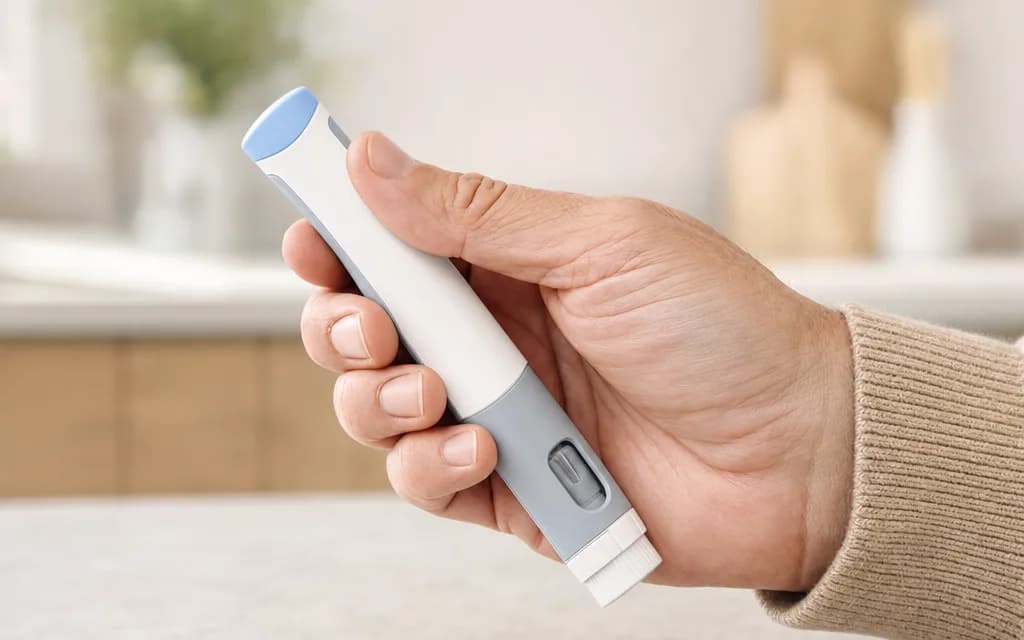
Insulin does not cross the placenta and has a well-established safety profile during pregnancy. It allows precise dose adjustments as insulin requirements change — they typically rise significantly in the second and third trimester. Many women who are on oral medication before pregnancy transition to insulin at or shortly after conception.
Medications typically stopped during pregnancy
GLP-1 receptor agonists (such as semaglutide), SGLT2 inhibitors, and most other oral diabetes drugs are generally stopped before or at the start of pregnancy due to insufficient human safety data. Your prescribing doctor will guide this transition and make sure you're not left without glucose control during the switch.
Diet and Lifestyle with Type 2 Diabetes in Pregnancy
The same dietary principles that apply to gestational diabetes apply here — but with the added dimension that nutritional needs shift as pregnancy progresses. A registered dietitian with experience in both diabetes and pregnancy is an invaluable member of your care team.
Key principles: consistent carbohydrate intake distributed across 3 meals and 2–3 snacks, prioritizing whole grains, vegetables, lean proteins, and healthy fats. Avoiding long fasting gaps prevents blood sugar from dropping too low, especially when using insulin. The broader type 2 diabetes diet guide covers the underlying food choices and portion strategies in more detail.
Physical activity — walking, swimming, prenatal yoga — is encouraged throughout pregnancy unless your OB advises otherwise. Even a 10-minute walk after meals helps reduce post-meal glucose spikes and is safe for most pregnant women.
Prenatal Care and Monitoring Schedule
A pregnancy with pre-existing type 2 diabetes typically involves more visits and tests than a standard pregnancy. What to expect:
- More frequent OB appointments, especially from the second trimester onward
- Regular ultrasounds to monitor fetal growth, with extra scans in the third trimester
- A detailed anatomy scan around 18–20 weeks to check fetal development
- Non-stress tests (fetal heart monitoring) in the third trimester
- An eye exam to evaluate or re-evaluate diabetic retinopathy before and during pregnancy
- Kidney function monitoring (urine protein, creatinine) at baseline and each trimester
After delivery, most women return to their pre-pregnancy diabetes management plan. It's also worth knowing the early signs of type 2 diabetes complications in women so you can stay vigilant in the postpartum period.
Key Takeaways
Type 2 diabetes in pregnancy requires careful planning, ideally starting before conception. The risks — for both mother and baby — are meaningfully reduced when blood sugar is tightly controlled throughout pregnancy, especially in the critical first trimester. Insulin becomes the main medication tool for most women during pregnancy. Diet, frequent glucose monitoring, and a multidisciplinary care team (high-risk OB, endocrinologist, dietitian) are all essential. With the right care, women with type 2 diabetes can and do have healthy pregnancies.
Frequently Asked Questions
Can I get pregnant if I have type 2 diabetes?
Yes. Having type 2 diabetes does not prevent pregnancy. Getting blood sugar well-controlled before conception — ideally with an A1C below 6.5% per the ADA — significantly reduces the risk of complications for both you and your baby.
Is type 2 diabetes the same as gestational diabetes?
No. Type 2 diabetes is a pre-existing chronic condition. Gestational diabetes develops during pregnancy in women who did not have diabetes before, and typically resolves after delivery. They share similar management principles but differ in timing, cause, and long-term outlook.
What medications are safe for type 2 diabetes during pregnancy?
Insulin is considered the safest and most effective option during pregnancy because it does not cross the placenta. Metformin is sometimes continued under close supervision. Most other oral diabetes medications — including GLP-1 agonists and SGLT2 inhibitors — are typically stopped before or at the start of pregnancy.
What A1C should I aim for before getting pregnant?
The ADA recommends aiming for an A1C below 6.5% before conception, as this significantly reduces the risk of congenital anomalies and early pregnancy loss. Your doctor may set a slightly different personalized target based on your health profile.
Will type 2 diabetes get worse during pregnancy?
Insulin resistance naturally increases during pregnancy — particularly in the second and third trimesters — meaning blood sugar control often becomes harder and insulin doses typically need to increase. After delivery, most women return to their pre-pregnancy baseline. Existing complications like retinopathy may temporarily worsen and should be monitored closely.